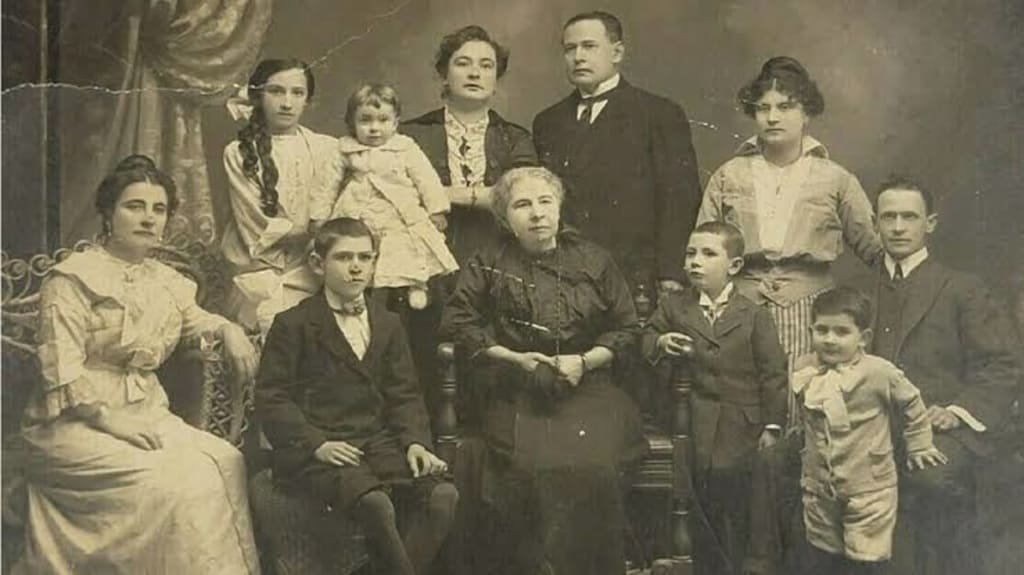
The Rothschild family emerged from unimaginable hardship in Frankfurt’s Jewish ghetto to create the world’s most influential banking network, funding monarchs, wars, popes, and empires through unmatched strategy and family unity. Their transformation from persecuted moneychangers to discreet orchestrators of modern mega-deals reveals a 300-year saga of calculated brilliance, surviving revolutions, world wars, and endless conspiracy theories.
Frankfurt’s Jewish Ghetto: A Prison Breeding Determination
Picture 18th-century Frankfurt, Germany’s bustling trade capital with 32,000 residents, hiding a shameful secret in its heart. Since 1462, city authorities had crammed Frankfurt’s 3,000 Jews into Judengasse – one filthy, overcrowded alley just 3 meters wide and 3 kilometers long, surrounded by high walls like a medieval concentration camp. Gates locked every night at 10 PM, remaining bolted through Sundays and all Christian holidays, trapping families in darkness and disease while guards patrolled outside. Jews couldn’t own land, join craft guilds, or practice most trades – their only permitted profession was moneylending, which Christians religiously shunned as sinful.
Into this hellhole on February 23, 1744, came Mayer Amschel Rothschild as the fourth of eight children born to struggling silk trader and rare coin dealer Amschel Moses Rothschild. Operating from their cramped home marked “zum roten Schild” (House of the Red Shield – origin of “Rothschild”), father scraped by selling antique coins to passing nobles. Tragedy struck in 1755 when smallpox swept the ghetto, killing both parents and leaving 11-year-old Mayer orphaned without inheritance. Relatives immediately pulled him from religious studies, shipping the boy 300 kilometers north to Hanover for a brutal seven-year banking apprenticeship starting 1757 under Jacob Wolf Oppenheimer at the elite Simon Wolf banking house.
There, young Mayer absorbed forbidden knowledge: currency arbitrage across European exchanges, authenticating priceless rare coins coveted by aristocracy, navigating bills of exchange for international trade, and discreetly handling noble clients’ dirty money. Returning November 1764 at age 19, he revived the family coin stall inside Judengasse but smartly displayed items bearing Hesse princely crests visible through the gates – bait perfectly calculated to lure wealthy passersby beyond the bars.
Judengasse’s suffocating alley where Rothschild defiance was born.
Court Jew to Continental Conqueror: The Five Arrows Strategy
Mayer didn’t chase quick profits – he hunted lifelong alliances. His prime target: William IX, Landgrave of Hesse-Kassel, Europe’s richest prince whose fortune flowed from renting 12,000 Hessian mercenaries to Britain for butchering American revolutionaries. Mayer sold William rare coins at deliberate losses, building friendship that exploded in 1769 when he secured Hofagent (court agent) status – a golden ticket granting ghetto residency exemptions, imperial legal protections, Frankfurt citizenship rights, and monopoly on princely money-changing.
Now laundering William’s blood-soaked Hessian gold, Mayer married clever Gutle Schnapper on August 29, 1770. Their 10 children produced five dynasty-forging sons: Amschel stayed as Frankfurt HQ commander, Salomon invaded Vienna (Austrian Empire heart), genius Nathan targeted Manchester textiles then London financial supremacy, Carl claimed Naples (southern Italy gateway), James seized Paris (French powerhouse). Mayer branded them “Five Arrows” from his family crest motto: “One arrow breaks easily, but five bundled prove unbreakable.” To prevent fortune dilution, he mandated endogamy – 15 of 21 Rothschild marriages from 1824-1877 stayed within cousins, with daughters explicitly barred from business secrets by will.
Mayer deploying his invincible “Five Arrows” across Europe.
Napoleonic Gold Caravans and Waterloo’s Billion-Dollar Bluff
Napoleon’s 1806 Frankfurt invasion spelled doom, but Mayer had secretly transferred William’s entire 3 million pounds fortune (tens of billions in modern value) to Nathan in London. Nathan converted it to gold bullion, then orchestrated the impossible: brothers’ private courier/spy network smuggled gold caravans across war-torn Europe, dodging French patrols to pay Duke of Wellington’s Iberian Peninsula army directly in trusted coins – local populations rejected risky British paper pounds.
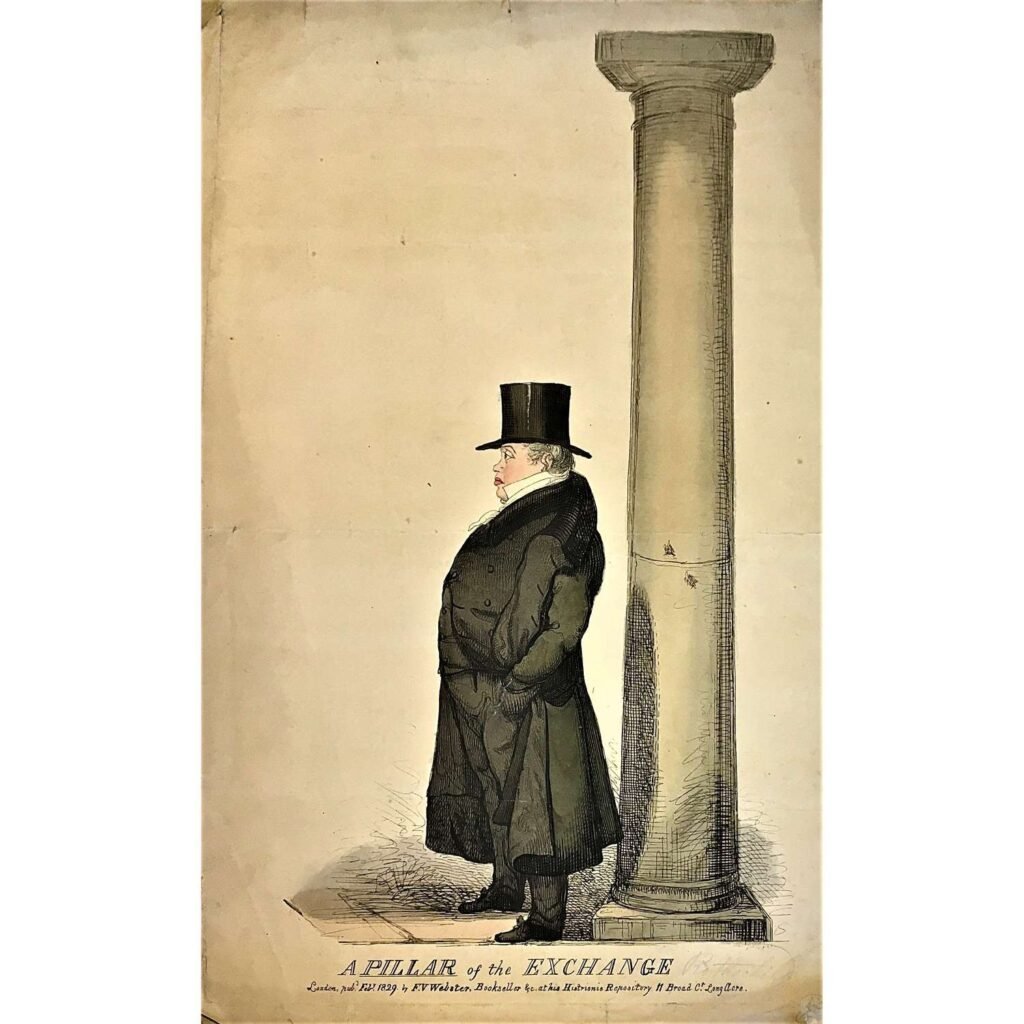
Climax unfolded June 18, 1815 at Waterloo. Nathan’s personal messenger braved Channel storms, arriving London 24 hours before government channels confirmed Wellington’s upset victory over Napoleon. From his famous “Rothschild Pillar” at the Stock Exchange, Nathan began dumping Consols (government bonds) with theatrical panic, convincing traders Britain had catastrophically lost. Market imploded as speculators dumped holdings at fire-sale prices; Nathan’s army of hidden agents swept in, repurchasing everything dirt-cheap. When official victory news broke, bond prices skyrocketed – family wealth doubled instantly from 500,000 to over 1 million pounds by 1816 alone.
This war windfall fueled massive sovereign loans to exhausted powers – Britain, France, Austria, Brazil, Belgium – but Rothschilds demanded one non-negotiable: repayments strictly in London sterling pounds, cementing the family as global financial referees. In 1825, they bankrolled Brazil’s 2 million pound independence payment to Portugal, securing permanent fiscal agency for lucrative railway construction.
Nathan’s masterful Waterloo market panic netting generational billions.
Defying Popes and Saving Central Banks: Crisis Profiteers Emerge
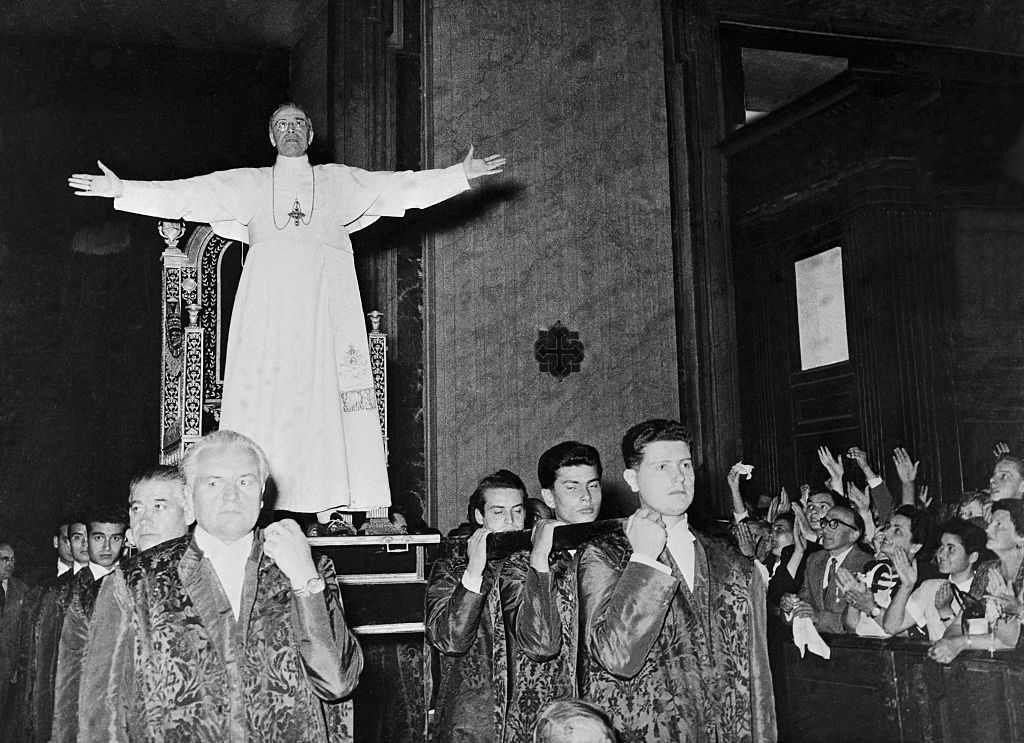
1832 found Pope Gregory XVI bankrupt after French troops crushed Papal States revolts but billed fortunes. Carl Rothschild extended 400,000 pounds lifeline despite seething Catholic antisemitism, pointedly rejecting foot-kissing ritual (symbolizing papal supremacy over all souls) by kissing the hand instead – Vatican accepted desperation trumped protocol. The Jewish Encyclopedia later crowned Rothschilds “papal treasury guardians,” embedding them as shadow bankers to Catholicism itself.
Same instincts saved 1825 Britain: Nathan personally refilled Bank of England’s vanishing gold reserves, preventing total banking collapse when rivals refused risk. 1848 European revolutions obliterated bond values across the continent, bankrupting peers – but Rothschild political connections and cash reserves weathered the storm unscathed.
Carl Rothschild forcing Vatican to bend ancient supremacy rituals.
Suez Canal: Britain’s Empire Saved at Dinner Table
November 1875 spelled disaster: Egypt’s debt-drowned Khedive Ismail Pasha offered France his 176,602 Suez Canal shares representing 44% ownership – control over Britain’s sole lifeline to India carrying 80% of imperial trade. Parliament adjourned with empty treasury, Prime Minister Benjamin Disraeli urgently dispatched secretary Montagu Corry to interrupt Lionel de Rothschild’s family dinner, begging 4 million pounds by morning.
Lionel asked one question: “Government guarantee?” Answer yes triggered instant wire transfer – no contracts, no lawyers, pure gentleman’s honor. Rothschilds pocketed 2.5% commission while Disraeli telegrammed ecstatic Queen Victoria: “It is done, Madam. The Suez Canal is yours.” That chokepoint saved Britain’s empire through both World Wars.
Lionel de Rothschild’s dinner table decision altering world trade.
Breaking Parliamentary Bigotry, Seeding Modern Israel
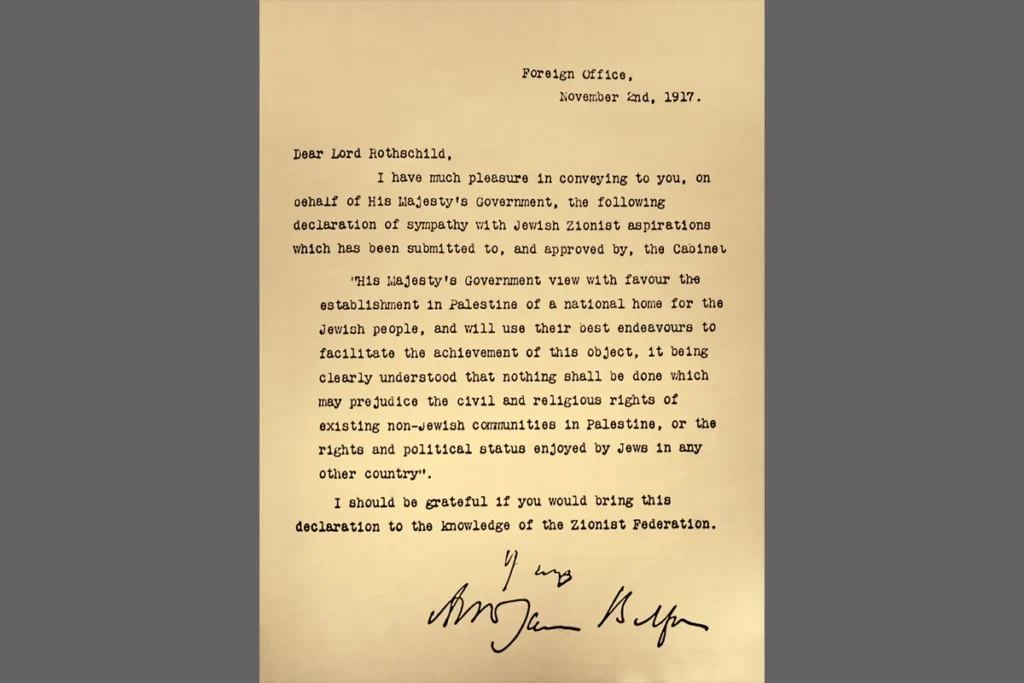
Lionel de Rothschild shattered glass ceilings, winning City of London parliamentary seat four straight elections (1847, 1849, 1852, 1857) only to face ritual humiliation: MPs swore “upon the true faith of a Christian” – words repugnant to Jewish conscience. Four rejections across 11 years ignited public fury, forcing 1858 Jews Relief Act permitting Hebrew Bible oath with kippah – Lionel became Britain’s first practicing Jewish MP.
Century later, November 2, 1917 Balfour Declaration addressed Lord Walter Rothschild pledged Palestine as Jewish “national home.” Family-funded settlements since 1882 paved Israel’s 1948 birth; they bankrolled Knesset parliament, Supreme Court, National Library – concrete poured from century-old Zionist vision.
Lionel’s kippah-clad oath ending centuries of exclusion.
Diamonds, Copper, and Nazi Plunder Catastrophe
Rothschild risk appetite built empires: 1888 they funded Cecil Rhodes consolidating chaotic South African diamond mines into De Beers monopoly controlling 90% global supply, birthing Rhodesia (now Zimbabwe) from conquered territory. Spanish copper dominance followed. 1904 Russo-Japanese War saw them bankroll triumphant Japan while shunning antisemitic Russian tsar.
Cataclysm hit March 1938: Nazi Anschluss swallowed Austria. Gestapo arrested Baron Louis von Rothschild at Vienna airport, imprisoning him a year while extorting record $11 million ransom plus entire steel empire and city properties. Goering personally looted 3,500 priceless paintings from palaces for Hitler’s fantasy mega-museum; Adele Bloch-Bauer portrait returned 1999 fetched $135 million.
Nazi soldiers stripping Rothschild Vienna palaces bare.
Modern Empire: Warlords Become Private Wealth Wizards
Post-Holocaust, Rothschilds abandoned flashy war financing for invisible mastery. Rothschild & Co (Paris/London HQ) now stewards €124 billion assets-under-management (2024 figures), executing 150+ annual global deals while Five Arrows private equity arm deploys €10 billion across 90 professionals in London/New York/Paris/San Francisco. They target €30-400 million investments in healthcare, software, business services – proprietary deal flow from unmatched operator networks crushes competition.
Luxury portfolio dazzles: Bordeaux’s Château Lafite Rothschild/Mouton vineyards generate $5-15 billion annually across Tuscany/Chile estates; energy stakes (TotalEnergies), mining (Rio Tinto/Glencore), tech giants (Apple/Amazon); 41 opulent palaces like Waddesdon Manor house museum-grade art collections, fortified precious metals vaults.
India obsession since 2007: 151 deals by 2023 rank them #3 M&A advisory. Masterminded Air India $2.4 billion Tata reacquisition post-debt restructuring; Cropnosys Rs375 crore Kotak infusion (India’s largest agri-chemical transaction); CleanMax Green Rs1,000 crore solar fundraise; Tata Corus steel empire, Air Deccan buyouts. Under India head Chandresh Ruparel and partners Aalok Shah/Subhakanta Bal, they dominate mid-market mergers, IPOs, debt advisory – channeling global pension/sovereign funds to Indian entrepreneurs while surpassing Southeast Asia in private credit volume.
Power networks endure: French presidents Macron and Pompidou cut teeth at Rothschild & Co; Evelyn de Rothschild advised Queen Elizabeth II three decades, close ally to King Charles on environment/art; Nobel economist Amartya Sen married into family. Collective wealth estimates $300-400 billion scattered across trusts, cash piles, offshore havens defy conspiracy hunters – true domination whispers through boardrooms, not headlines.
Rothschild dealmakers guiding Tata’s Air India empire revival.